
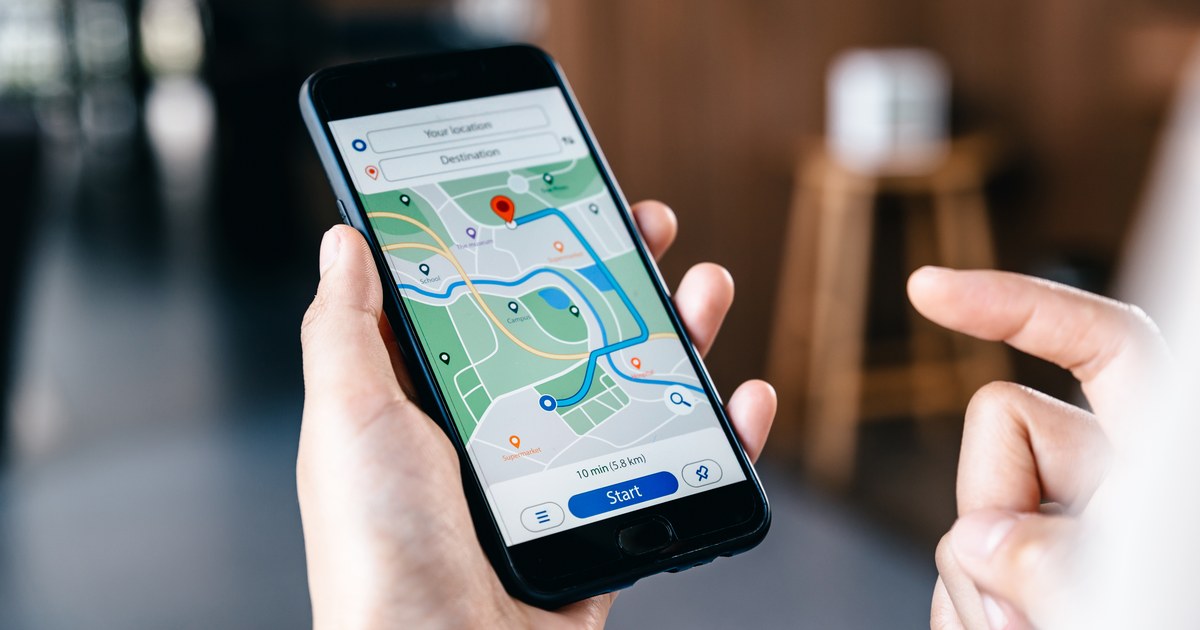
When someone needs a lawyer, they often start with a short search: “lawyer near me,” the practice area plus their city, or a look at Google Maps. The results they see first usually aren’t a long list of websites. They’re a map, a few firm names, photos, hours, and star ratings.
That pack of results is driven in large part by Google Business Profile, the free listing that powers how your firm appears in Google Search and Maps. For solo and small firms that serve clients in a real geographic area, a strong profile is one of the highest-leverage marketing assets you can maintain. This post covers what the profile does, what to get right, and how to keep it working without turning it into a second full-time job.
Why Google Business Profile Matters for Law Firms
Prospective clients use local search when the need is immediate or the work is local: criminal defense after an arrest, family law, personal injury, estate planning, and many other practice areas. In those moments, they care about proximity, credibility, and how easy you are to contact.
Your Google Business Profile is often the first impression of your firm. It can show:
- Your firm name, address, and phone number
- Hours and how to get directions
- Photos of your office, team, or professional setting
- Reviews and your replies
- A link to your website and a way to call or message you
- Posts and updates you choose to share
If the profile is incomplete, outdated, or unclaimed, you leave that first impression to chance—or to a competitor who kept theirs current.
Claim and Verify Your Profile
If you haven’t claimed the listing yet, start there. Search for your firm on Google, open the Maps or Knowledge Panel result, and follow Google’s prompts to request ownership. Verification usually involves a postcard, phone call, email, or video, depending on what Google offers for your location.
Once you own the profile, confirm that the firm name matches how you practice and how you appear on your website and letterhead. Use your real office address if clients can meet there. If you work remotely or by appointment only, follow Google’s rules for service-area businesses so you don’t risk suspension for an address that isn’t open to the public.
Get the Basics Accurate and Consistent
Google rewards clarity. Make sure the details on your profile match the same facts everywhere else online:
- Firm name (including any “LLC” or “P.C.” style you actually use in public)
- Primary phone number that a person answers
- Website URL
- Primary category (for example, Personal Injury Attorney or Family Law Attorney) plus secondary categories that fit
- Service area, if you list one
- Hours that reflect when someone can realistically reach you
Inconsistent NAP details—name, address, phone—across your site, directories, and the profile make it harder for Google to trust the listing, and harder for clients to reach you on the first try.
Categories, Services, and the Questions Clients Ask
Pick the most specific primary category that fits your practice. Then add services in plain language: the matters you actually handle, written the way a client would search for them. Skip internal jargon.
Google also lets you answer frequently asked questions on the profile. Use that space for the questions intake hears every week: Do you offer free consultations? What areas do you serve? How do I schedule? Keep answers short, accurate, and consistent with your website and bar advertising rules.
Photos That Make the Firm Feel Real
Profiles with clear, current photos tend to earn more engagement. Favor:
- A recognizable exterior or entrance, if you have a public office
- A clean reception or conference room
- Professional team photos that match your site
- Simple graphics only when they add information, not clutter
Avoid stock images that could be anyone’s firm, outdated logos, or anything that overpromises results. Your state bar’s advertising rules still apply to what you show on the profile.
Reviews Are Part of the Listing
Reviews sit front and center on Google Business Profile. They influence whether someone calls, and they signal to Google that the listing is active. Encourage genuine reviews at natural moments, reply to them professionally, and never reveal confidential information in a response—even when a review feels unfair. For a deeper walkthrough of reply strategy and confidentiality, see our post on how lawyers should respond to online reviews.
Keep the Profile Alive Without Burning Hours
You don’t need to post every day. A simple weekly or biweekly habit is enough for most firms:
- Check for new reviews and reply within a few business days
- Confirm hours around holidays and court closures
- Add a short post when you publish a useful article, announce a CLE, or share a plain-language tip
- Refresh a photo when the office or team changes
- Review categories and services once a quarter
Assign one person ownership of the checklist so updates don’t depend on whoever remembers.
Stay Inside the Rules
Google has its own policies for Business Profiles, and your state bar has advertising and solicitation rules that still apply. Don’t stuff keywords into your firm name, invent locations, buy reviews, or publish claims you can’t support. If Google flags the listing, fix the issue promptly rather than creating a second profile to work around it.
How to Tell If It’s Working
Track a few practical signals:
- Calls, direction requests, and website clicks from the profile (available in the Business Profile insights)
- How often new clients say they found you on Google or Maps
- Whether your firm appears in the local results for the searches that matter to your practice
Pair those with your intake numbers. Visibility only matters if it turns into conversations with people you can help.
The Bottom Line
Google Business Profile is where a large share of “lawyer near me” decisions start. Claiming it, keeping the facts consistent, showing real photos, earning and answering reviews, and updating it on a light schedule give solo and small firms a durable edge in local search—without a massive ad budget.
Want a Clearer Picture of How Your Firm Shows Up Locally?
Legal CMO NOW helps solo and small law firms nationwide strengthen the marketing assets clients actually use—Google Business Profile, the website, and the follow-through that turns searches into signed matters. Book a free 30-minute consultation and we’ll talk through what people see when they look you up.
Or reach us directly: 572-275-0958 · cmo@legalcmonow.com